Thailand
About this Itinerary
Koh Samui area and North Thailand in 12 days
Destinations & Regions
Travel Vibes & Categories
Itinerary Roadmap
6 Chapters & SectionsPlan Overview
Plan overview: Day 1: Arrive at Koh Samui Day 2: Transport to Ko Tao Day 3: Ko Tao Day 4: Back to Koh Samui Day 5: Transport to Pai Day 6: P...
2Ko Tao
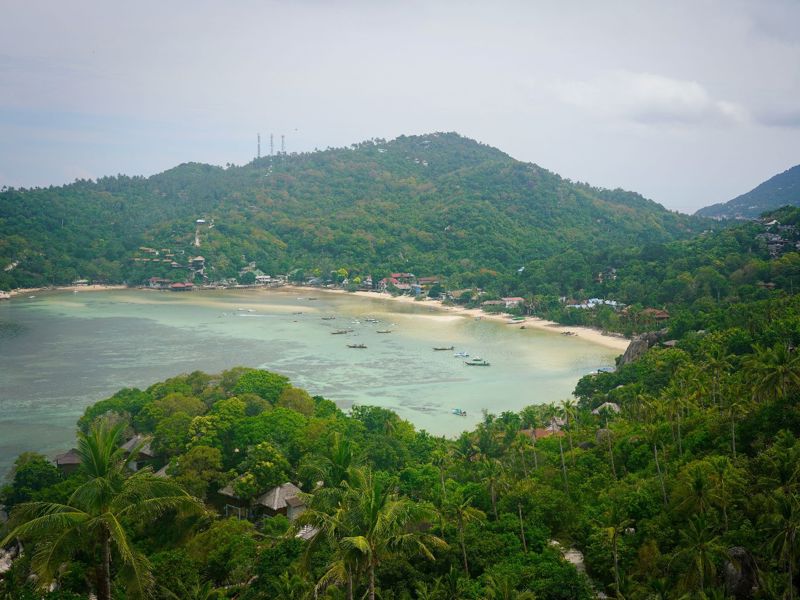
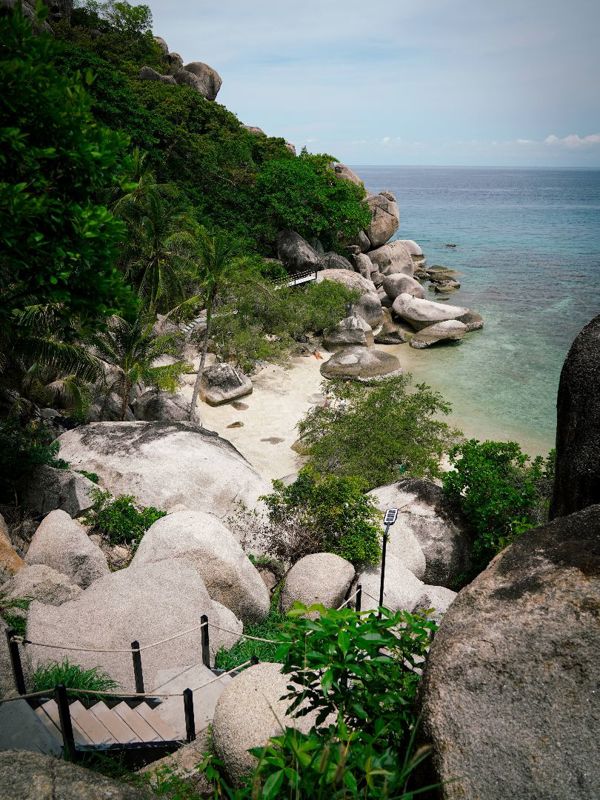
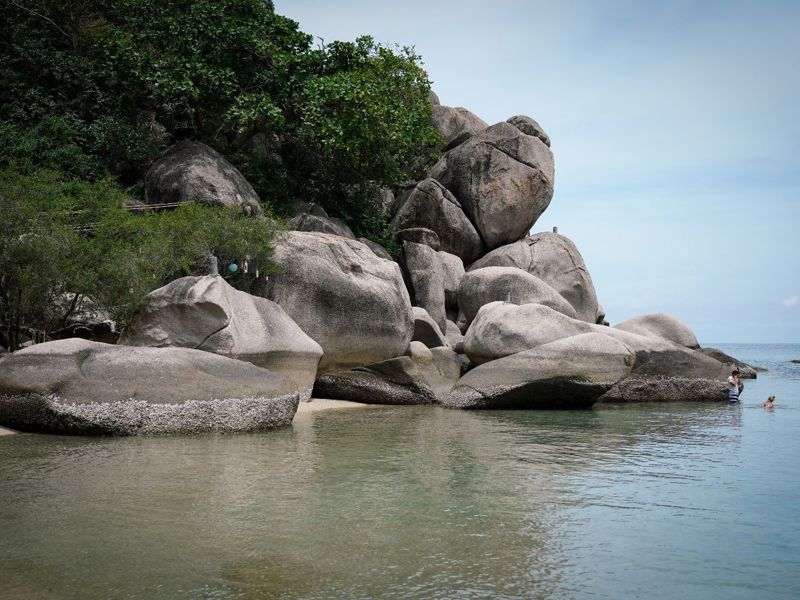
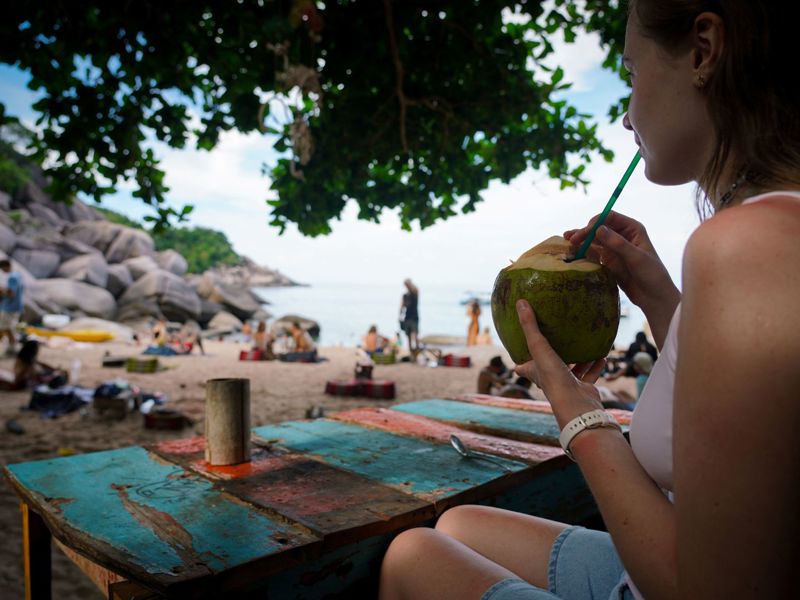
12 stops 10 photosTransportation: The best way to get to Koh Tao is by ferry from Koh Samui. Ferries leave daily, and tickets are available on local websites....
3Koh Samui
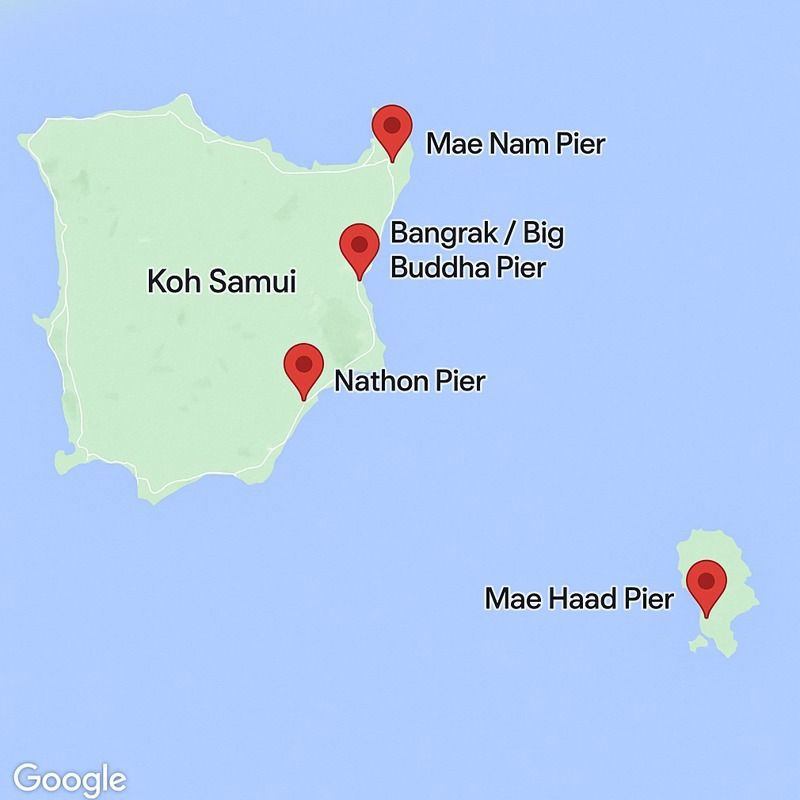
3 stops 2 photosThe most iconic stop is the Koh Wua Ta Lap Viewpoint , located on Koh Wua Ta Lap Island. Tours usually include a few-hour stop on the island...
4Pai
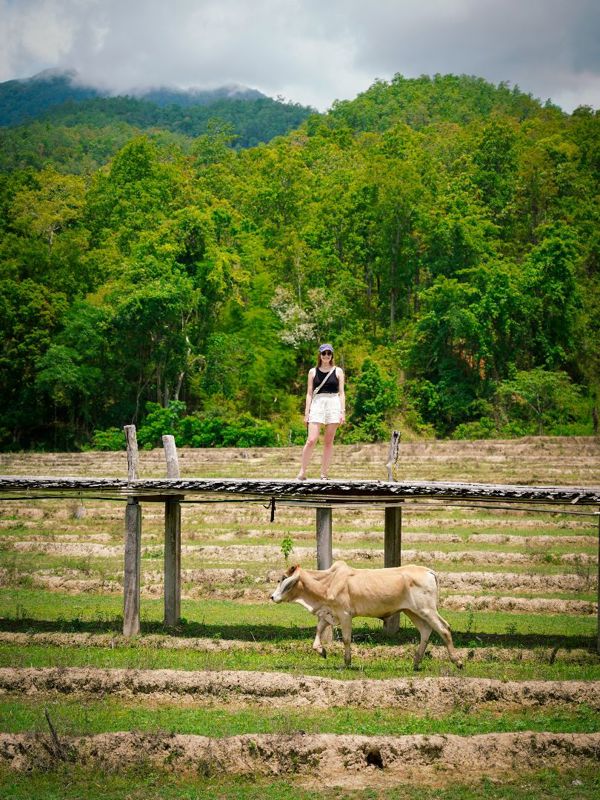
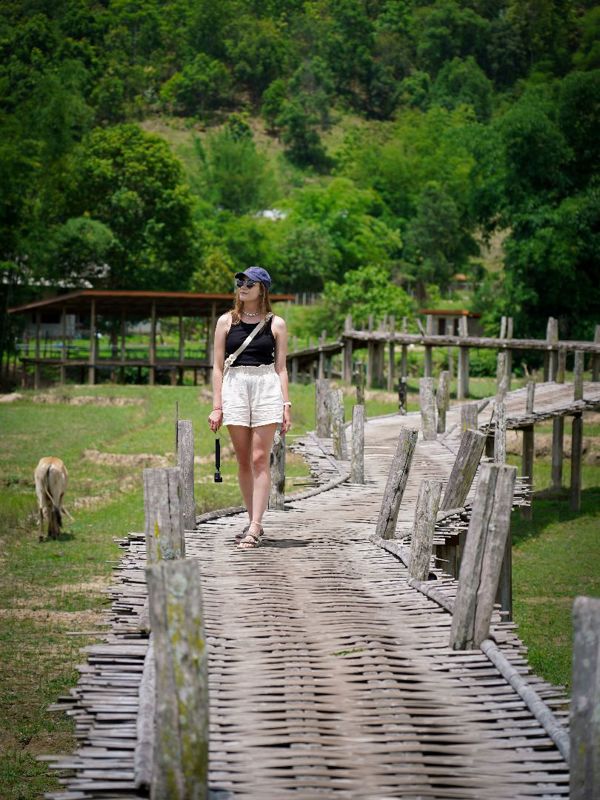
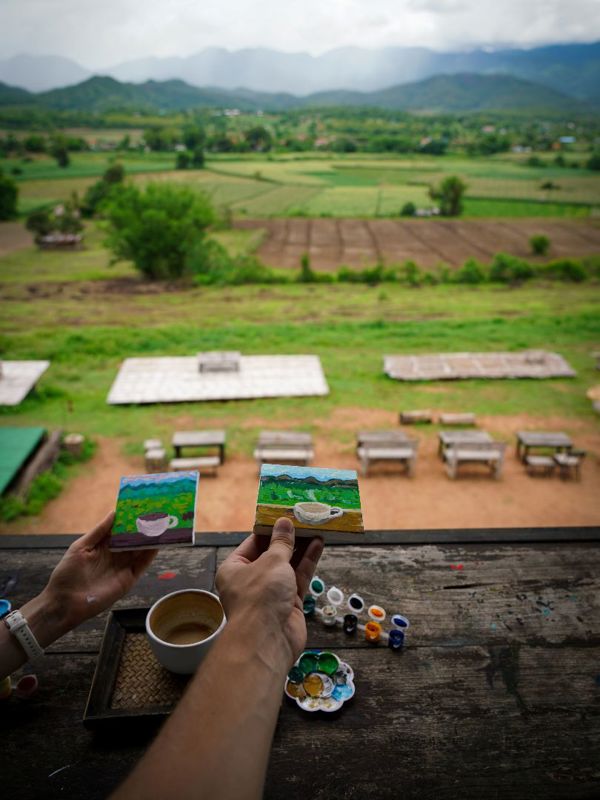
8 stops 8 photosWhat a hidden gem! About 30 years ago, Pai was a small village near the Thai border with Burma, completely unspoiled by tourism. Even today,...
5Chiang Mai
10 stops 10 photosChiang Mai is one of the most famous travel destinations in Thailand, but it’s not a big, nightlife-driven metropolis. If that’s what you’re...
6Chiang Rai
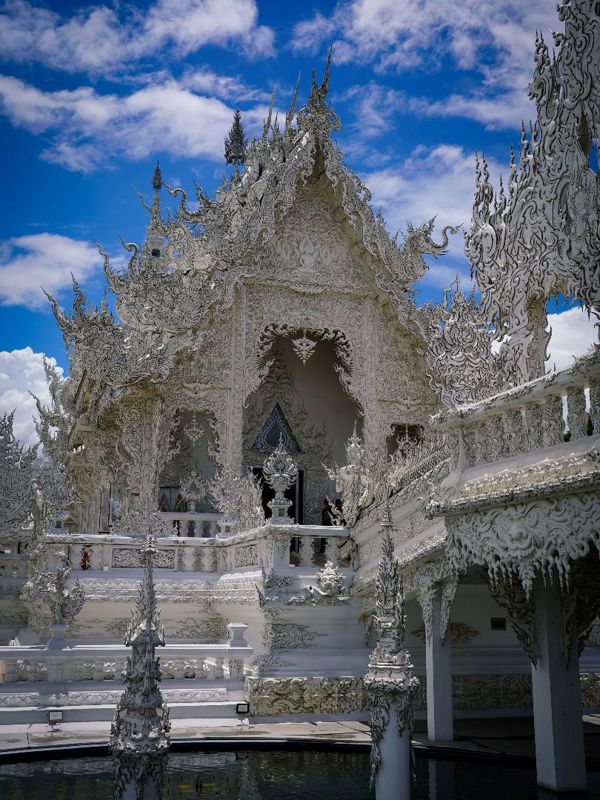
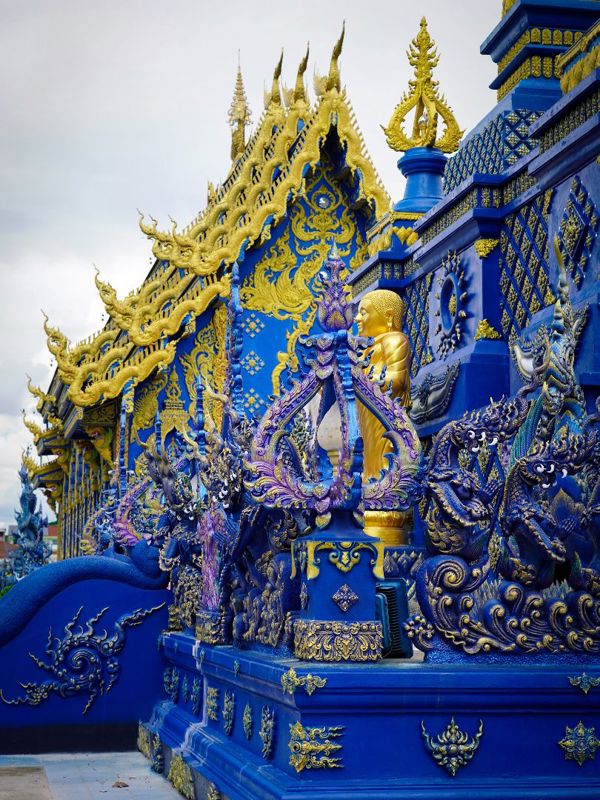
7 stops 4 photosChiang Rai is a city visited primarily for the beauty and uniqueness of its temples. Just look at their photos and judge for yourself, they’...


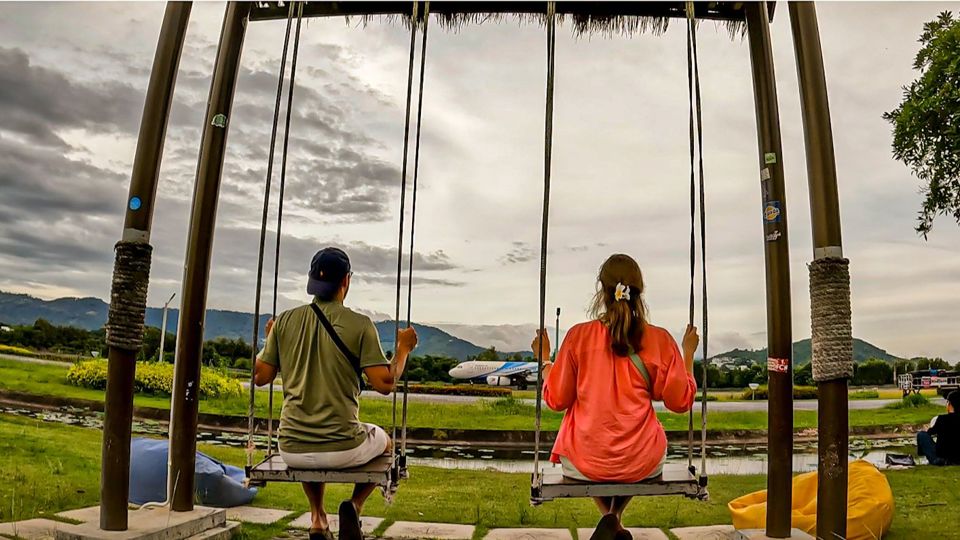
If you haven’t heard about it yet, Koh Samui Airport might just be one of the most charming airports in the world. All terminals are open-air, rather than enclosed in large buildings. After check-in and before security control, you’ll walk through an area that feels more like a tropical street than an airport terminal, with boutique-style shops and greenery everywhere. The gates themselves look nothing like typical airport gates; they’re designed like traditional straw huts. There’s even a complimentary snack and drinks area, as well as a swing where you can sit and watch planes land and take off right in front of the runway.


CHIANGMAI ELEPHANT CARE (Mae Taeng)
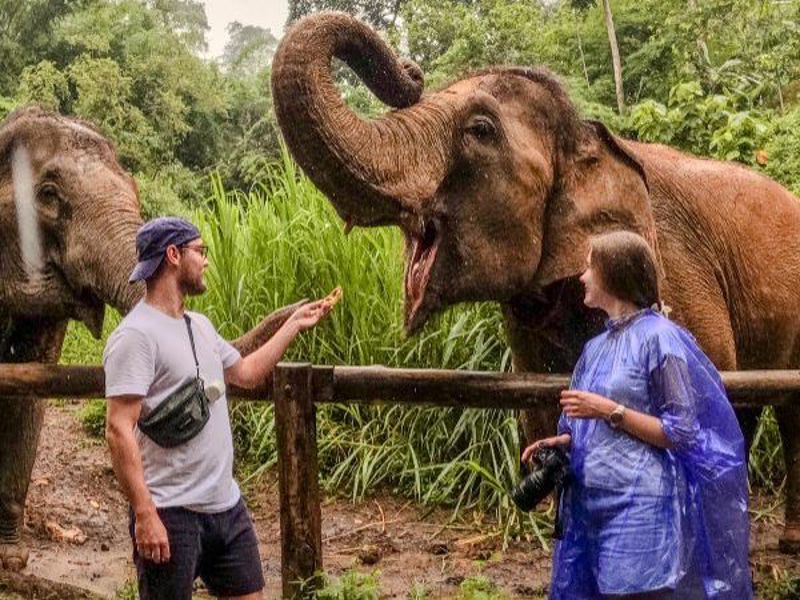
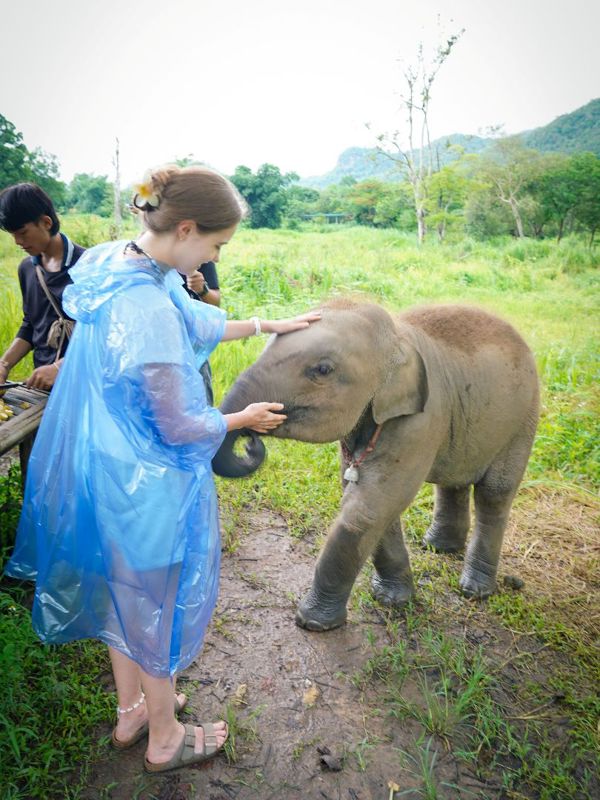
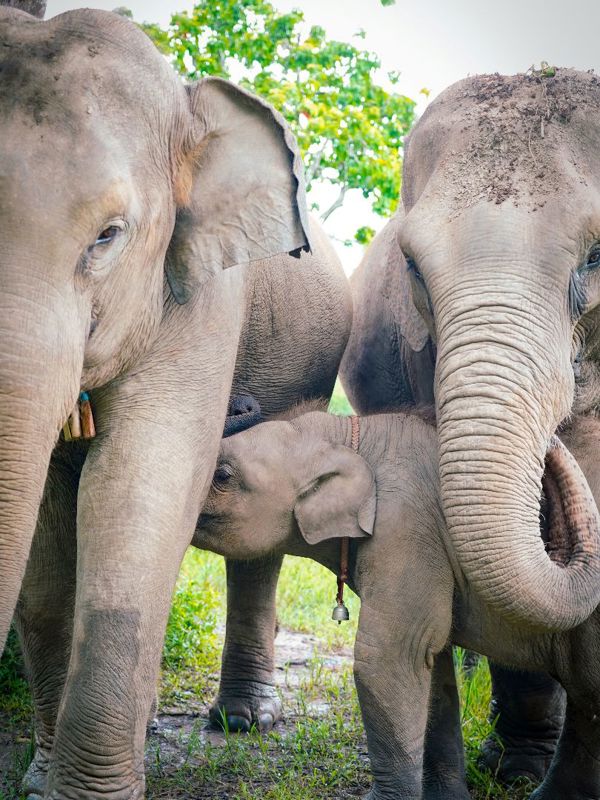
Some believe the only ethical option is observing elephants from a distance, without any interaction. Others feel that limited, respectful contact is acceptable, especially considering that many elephants have lived alongside humans for generations. We chose to visit Ethical Elephant Care in Chiang Mai, a small, peaceful sanctuary that cares for five rescued elephants previously used for rides and shows.


What stood out to me most was how few elephants were present, just four adults and one one-year-old calf. At any given time, we interacted with only half of them; the others were resting. The keepers followed the elephants’ natural rhythm and never forced them to do anything. Bathing was an optional part of the program, but only if the elephants were willing. Since it was raining during our visit, none of them felt like swimming. According to our guide, during hot, dry-season days, elephants often enjoy spending hours in the water.
You can read all about it on the next page.

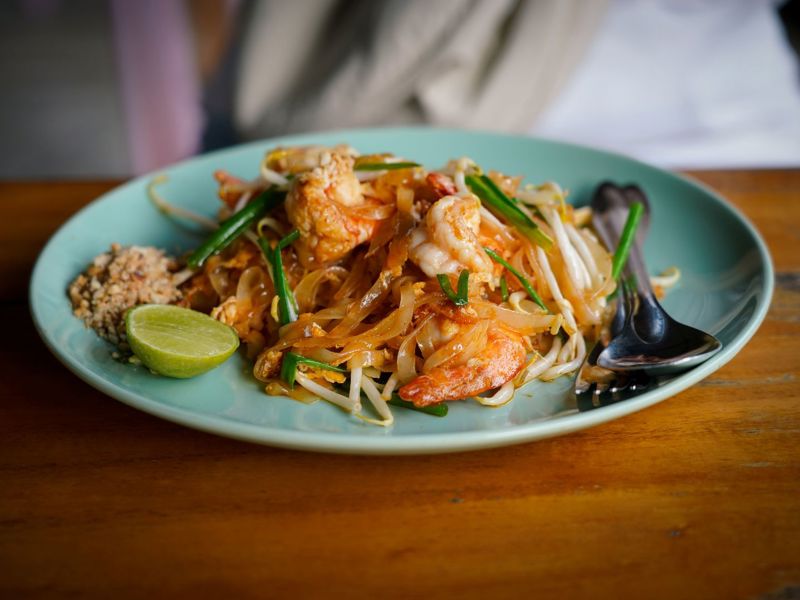
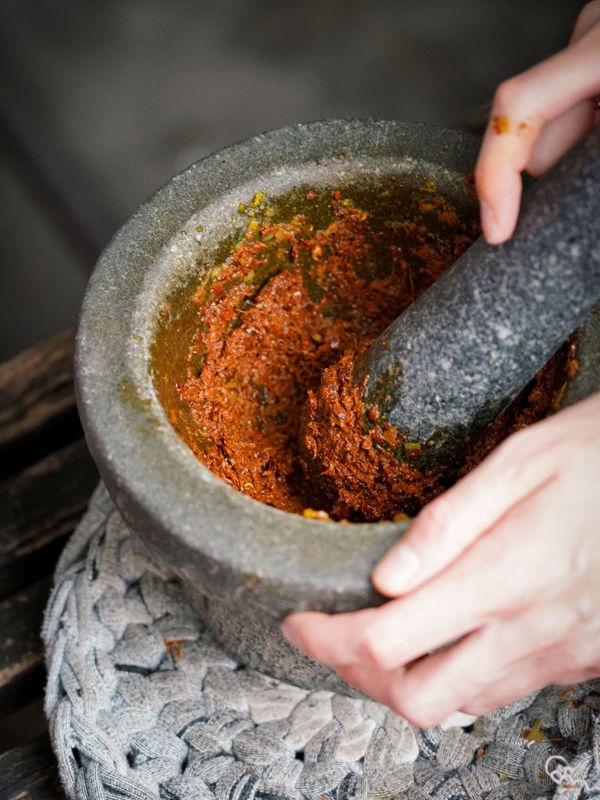
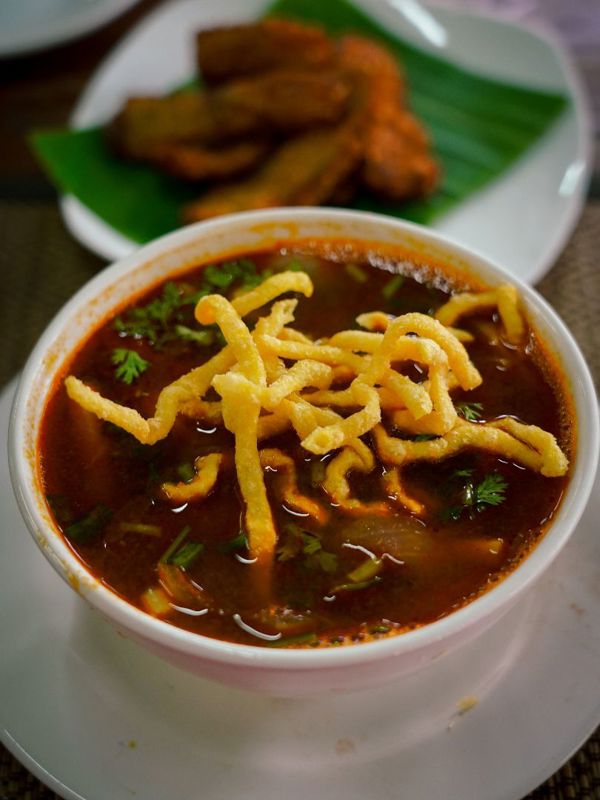
Thankfully, before we even started cooking, we learned about all the ingredients and visited a local market to see where and how to find them. Many of these ingredients are available in Asian or oriental shops back home; you just need to know what to look for. We also received a cookbook with all the recipes we made, plus many more. For true food lovers, there’s even a full-day option that includes a visit to a farm, with hotel pickup included.


- A large viharn (assembly hall) with detailed murals and places for prayer and offerings
- A smaller shrine building housing additional statues and artistic decorations